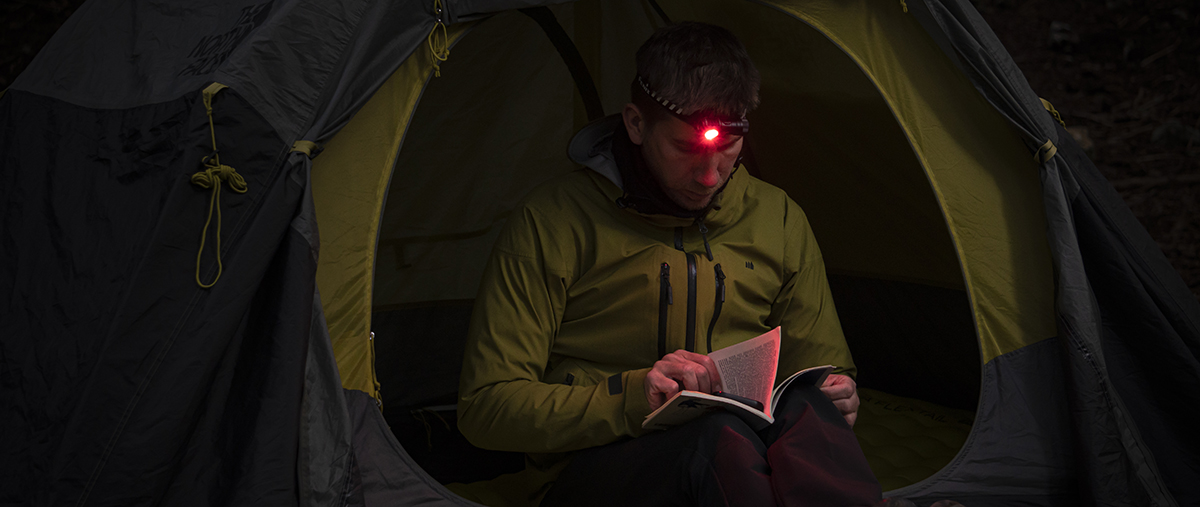
Red LED Headlamps - why and what for?
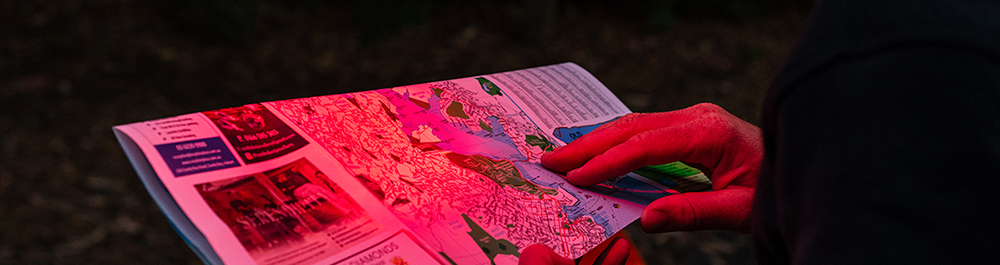
Red LED Lights - Why use them?
The world of outdoor LED lighting is normally built around white light – after all the sun makes white light and we try to replicate that through our lighting products. However, there comes a time where you don’t just need white light. It draws attention to yourself and can disturb other people, for instance in a camp environment. White light is also disruptive to wild life at night.
With some upcoming running events looking to reduce their impact on wildlife in National Parks, they will be enforcing the use of red lighting on some sections of the course. To many this will be a step into the unknown – so we thought we would have a quick look at why this is important and what Fenix have to offer.
How does Red lighting work?
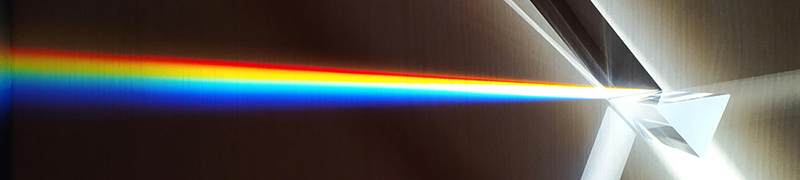
The simple way to answer this is to first look at how white light works. White light is not an actual colour of light, but a blend of all the colours on the lighting spectrum. Shining light through a prism splits the beam into the individual colours that make up white light. However, we don’t really need the entire ROYGBIV range to create white, just RGB - as you might be familiar with in TV and computer screen terminology.
White light will badly affect your night vision, taking 5 minutes for the majority of the receptors in your eye to re-adjust, and 45 minutes to completely return to normal.
When it is dark your eyes use more of their rods to see as these are the most sensitive to light, rather than the cones which help with colour and definition.
This is where the red light comes in. Human, and many animal eyes are less receptive to red light, so it takes much more exposure to affect night vision.
How does this affect wildlife?
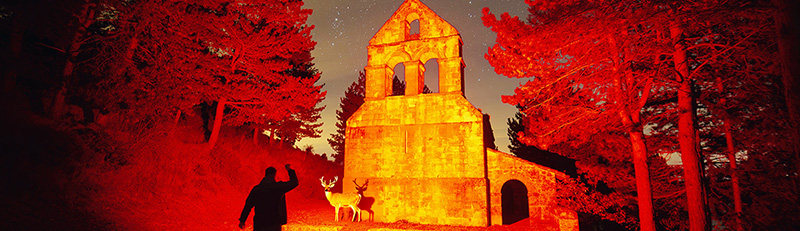
Like our eyes, animals have rods and cones in their eyes, but often have more rods so that they can see better in low light. This means they are more affected by bright white light and it can be rather overwhelming. Ever heard the statement "deer in the headlamps" – its exactly that, it is so bright that it dazzles them.
Red light is less disorientating and less likely to disturb animal vision, and so causes much less disturbance.
Fenix’s headlamps with Red lights.
With our extensive history in the outdoor market, we already have products to suit this environment. Click here to see all the Fenix products with red lighting >
https://www.fenixlight.co.uk/fenix-lights?filter=t131-3173
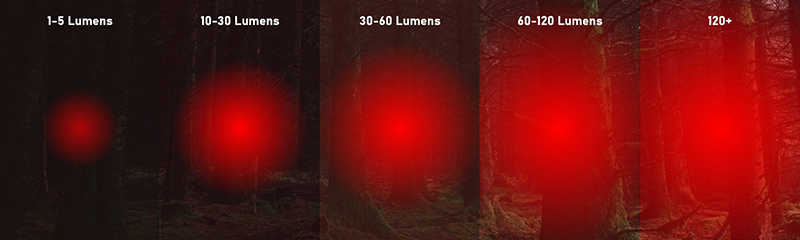
Whilst some products have red lights, will they be bright enough to run with?
Below we’ve done a break down of how bright red light levels are, and what they are best suited to.
1-5 lumens | You’re not going to be going anywhere fast – this is best suited for camping, so as to not disturb others in a tent, or if you’re walking on a well kept path.
10-30 lumens | You can see relatively well but you will need to be confident with your running. 30 lumens is a good amount of light but is still relatively short range. The lower end of this range will need a good path that shines up well. Not a technical trail.
30 – 60 lumens | You can run well here – its good light for your near area and you can see a bit further – however things may not be that defined. Take care on more technical trails.
60-120 lumens | We’re in the sweet spot here. You have a bright level of light and you’ll get better illumination ahead for confident running.
120+ lumens | Now we’re talking – not many lights will be equipped for this level of lumens, but we have some choice in the Fenix range.
Whether you need a red light for camping, running or something more specific, Fenix have a light to suit your needs.
For running oriented headlamps with powerful red lights, check out the HL45R, HM53R, HM60R V2 and HM65R ShadowMaster headlamps.